How can one avoid cracks on the top of a baked cheesecake?
Cracks on the top of a baked cheesecake can be unsightly and disappointing. Fortunately, there are several techniques you can employ to prevent or minimize their appearance:
Low and slow baking: Bake the cheesecake at a low temperature (around 325°F) for a longer period of time. This helps the cheesecake cook evenly and prevents the top from overcooking and cracking.
Water bath: Place the cheesecake pan in a larger pan filled with hot water before baking. The water bath creates a humid environment that helps prevent the top of the cheesecake from drying out and cracking.
Room temperature ingredients: Bring all of the ingredients to room temperature before mixing and baking. This ensures that they combine evenly and reduces the risk of lumps and cracks.
Avoid overbeating the batter: Overbeating the batter can incorporate too much air, which can lead to cracking. Mix the ingredients just until they are combined and smooth.
Cool gradually: Once the cheesecake is baked, let it cool in the oven with the door slightly ajar. This allows the cheesecake to cool gradually and prevents the top from sinking and cracking.
FAQs
- Is it possible to repair cracks in a baked cheesecake? No, once cracks have formed, they cannot be repaired.
- Can I use parchment paper to prevent cracks? Parchment paper can help prevent the cheesecake from sticking to the pan, but it does not directly prevent cracks.
- Why does my cheesecake sink in the middle when it cools? The cheesecake may have been undercooked.
- How do I get a smooth top on my cheesecake? A water bath and low and slow baking can help achieve a smooth top.
- Can I freeze a cheesecake with cracks? Yes, but the cracks may become more noticeable after freezing and thawing.
Hot Selling Products
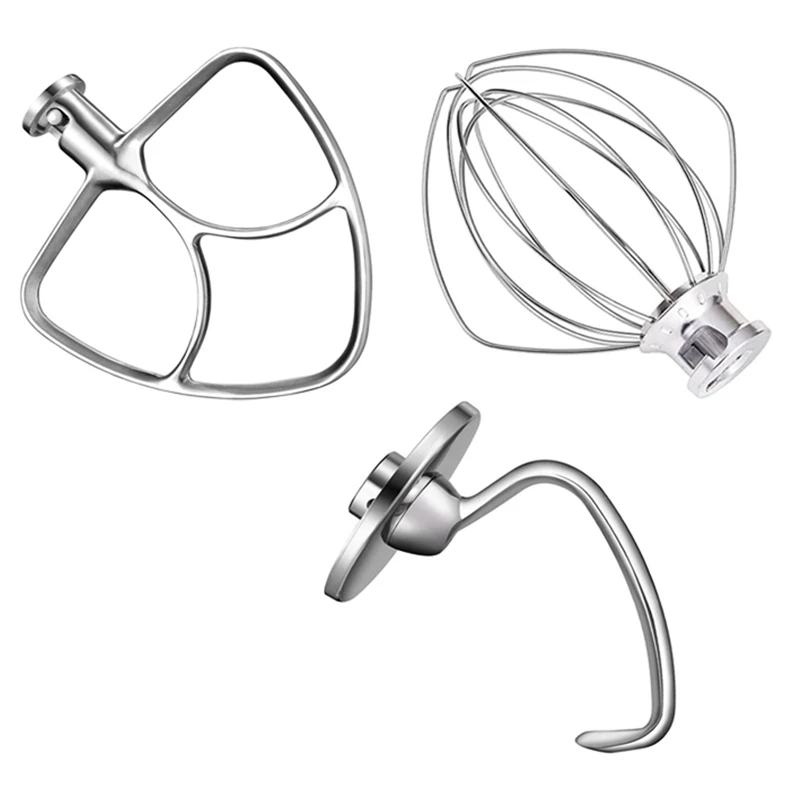
- KitchenAid Stand Mixer
- Springform Cake Pan
- Silicone Baking Mat
- Thermometer
- Cheesecake Cooling Rack




Pre:How do I get rid of ticks on horses
Next:Does a good insulator prevent heat from escaping or slow its passage